



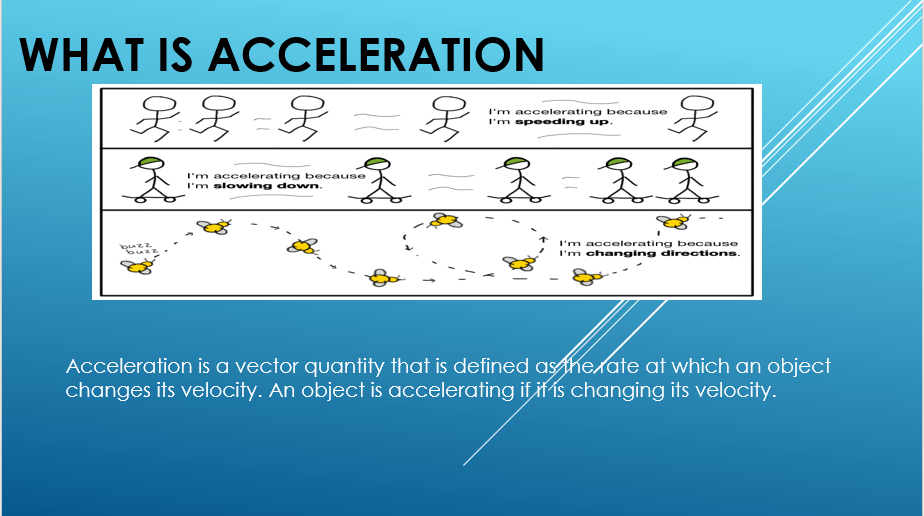
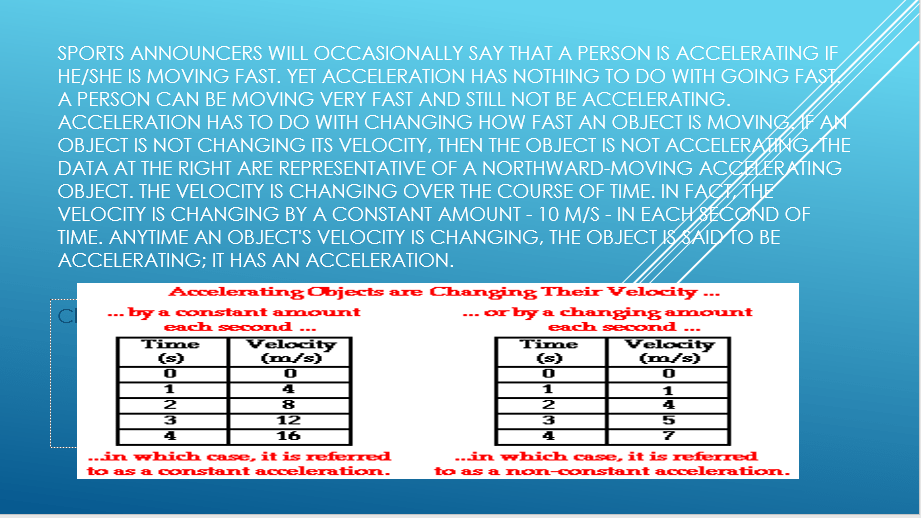
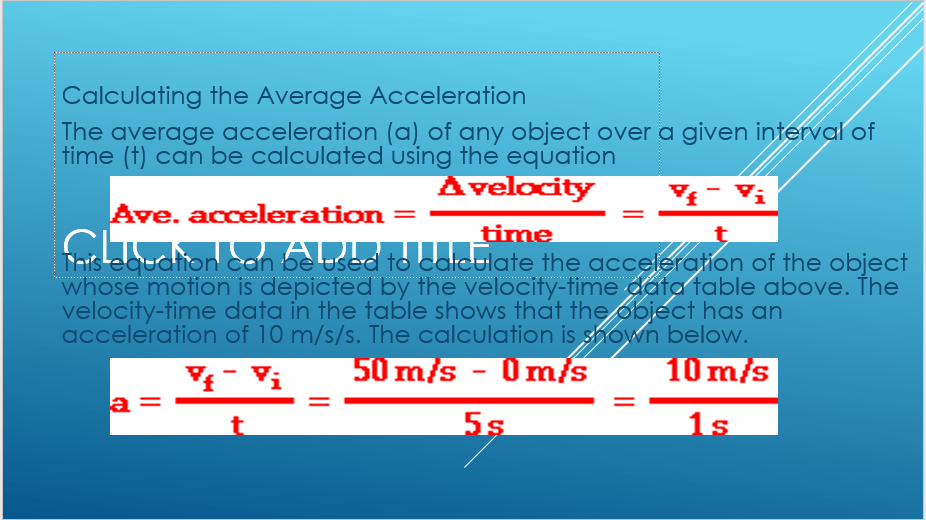
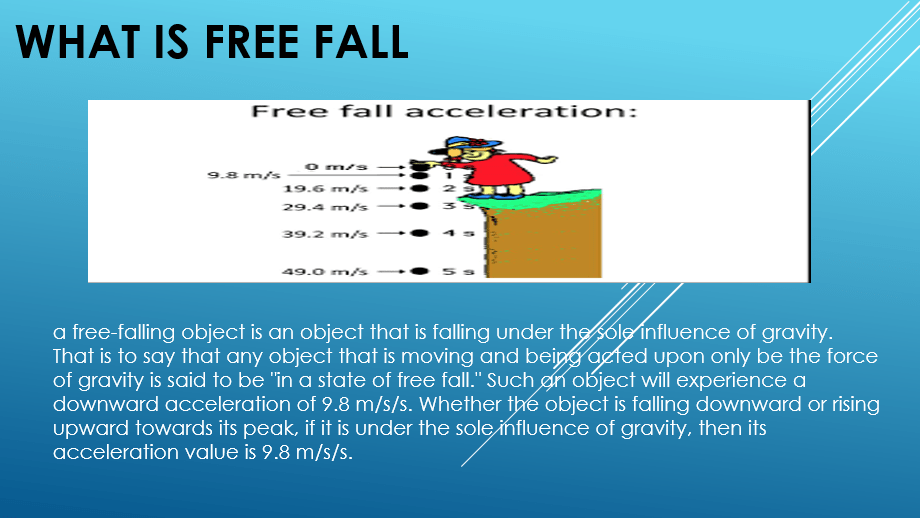
 BELOW IS MY WHOLE POWERPOINT PRESENTATION
Category: Uncategorized
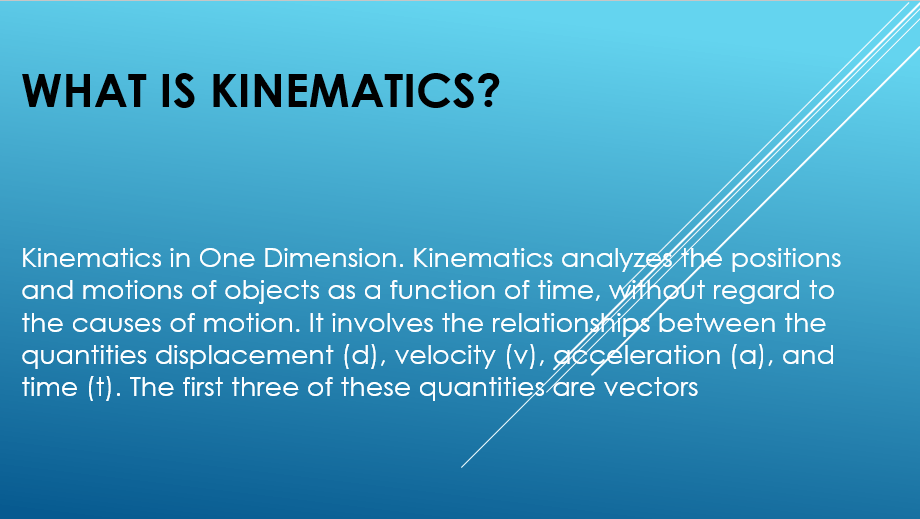
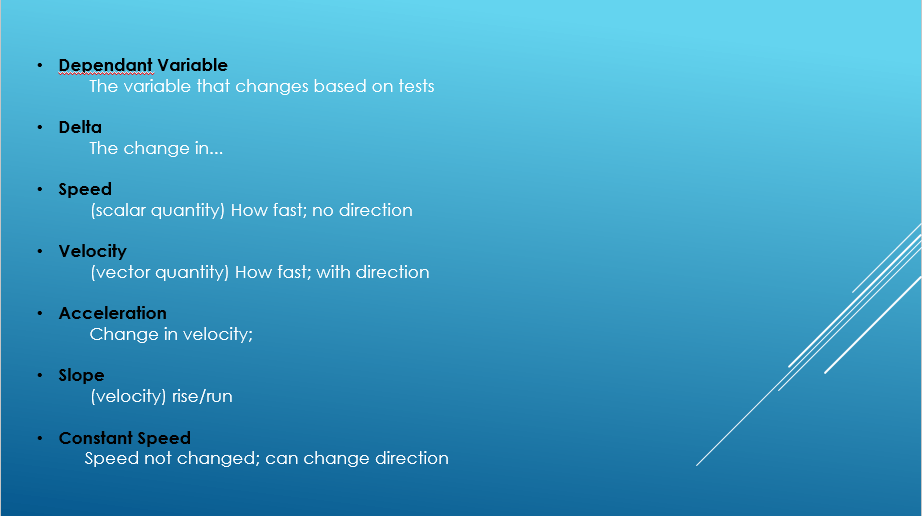
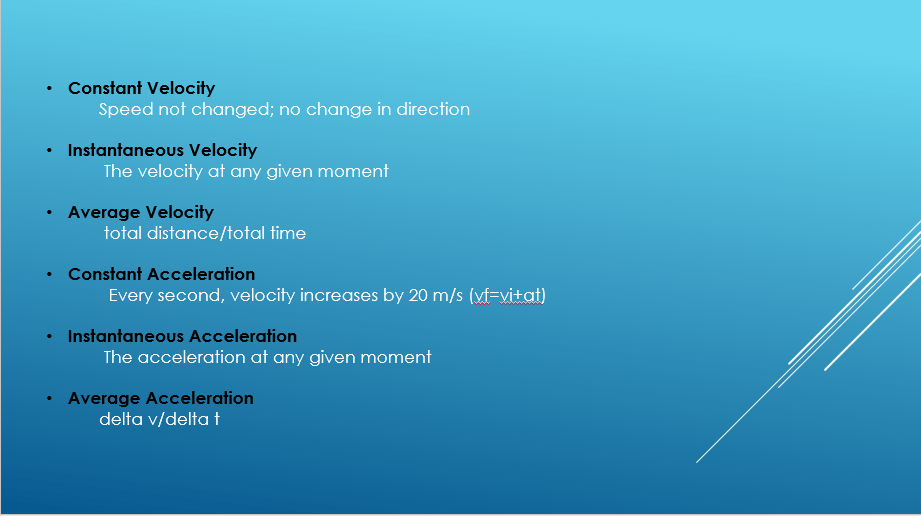
1D KINEMATICS

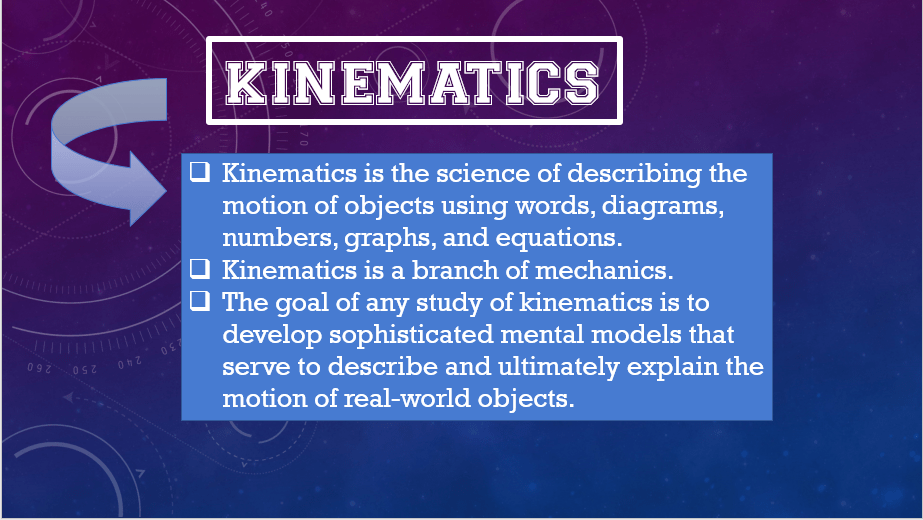

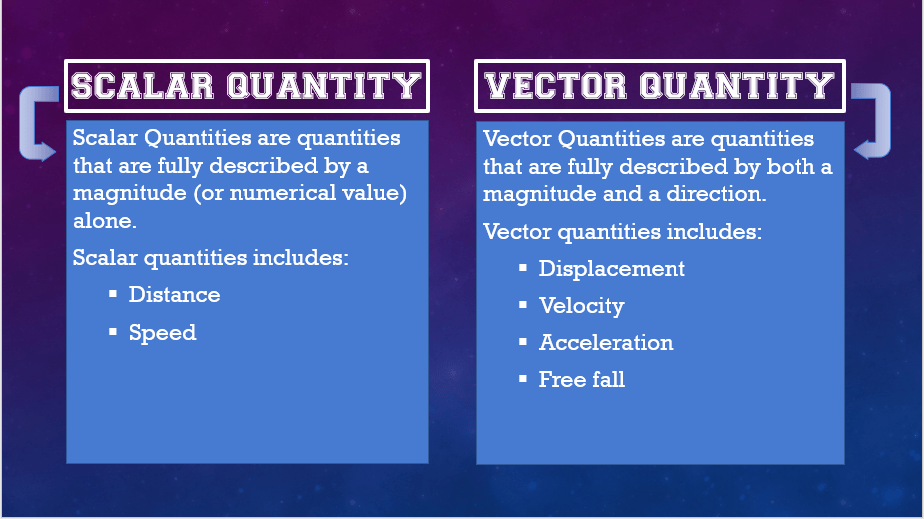
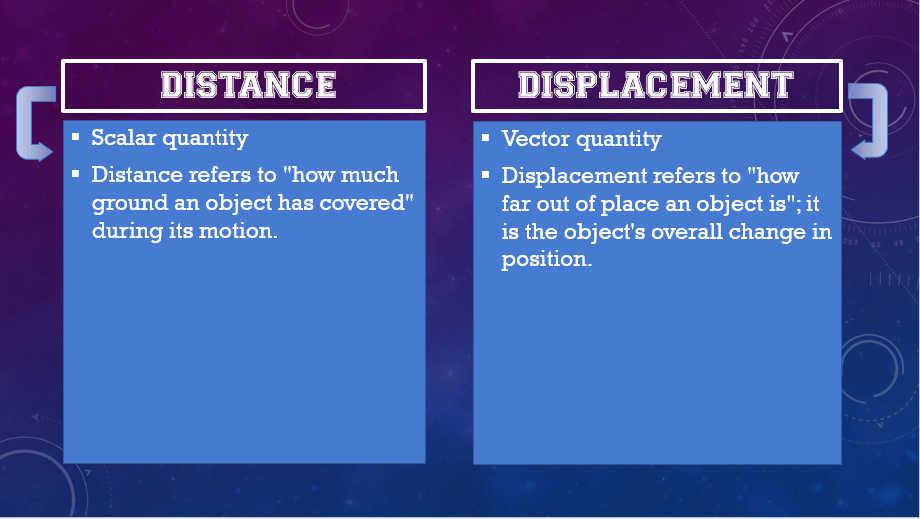

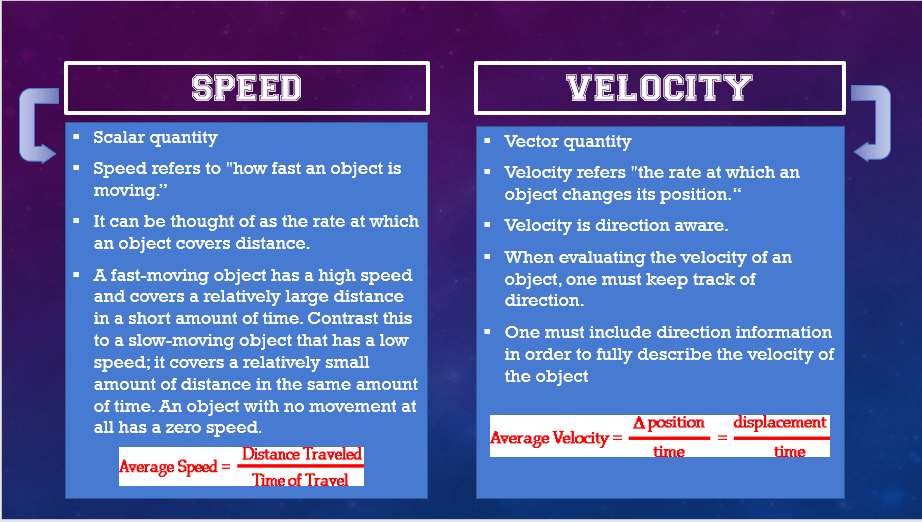
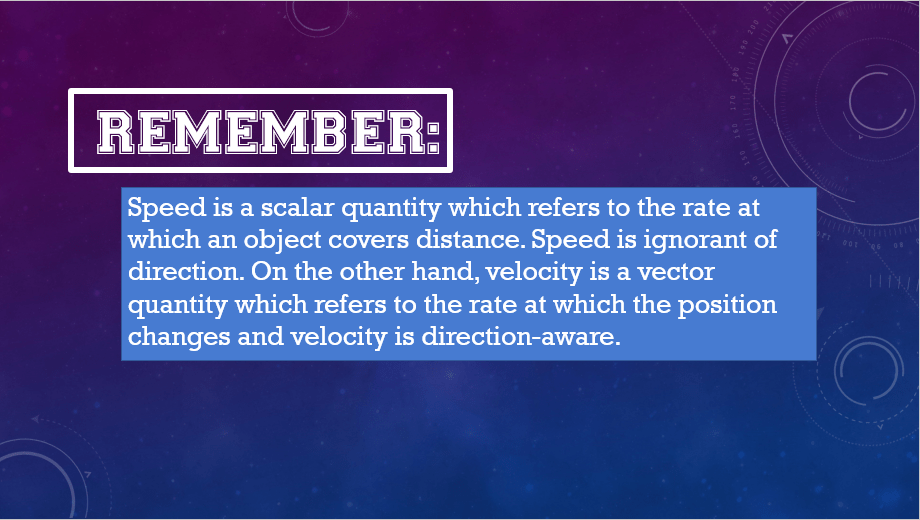

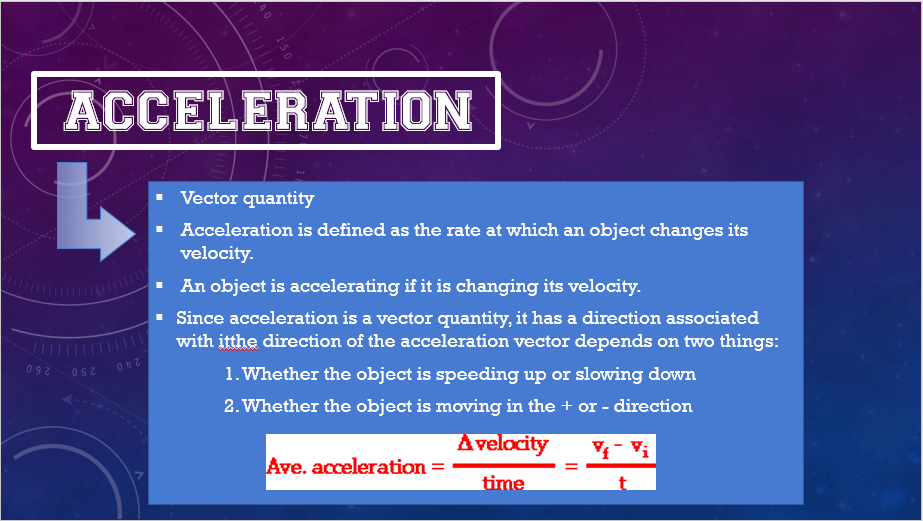

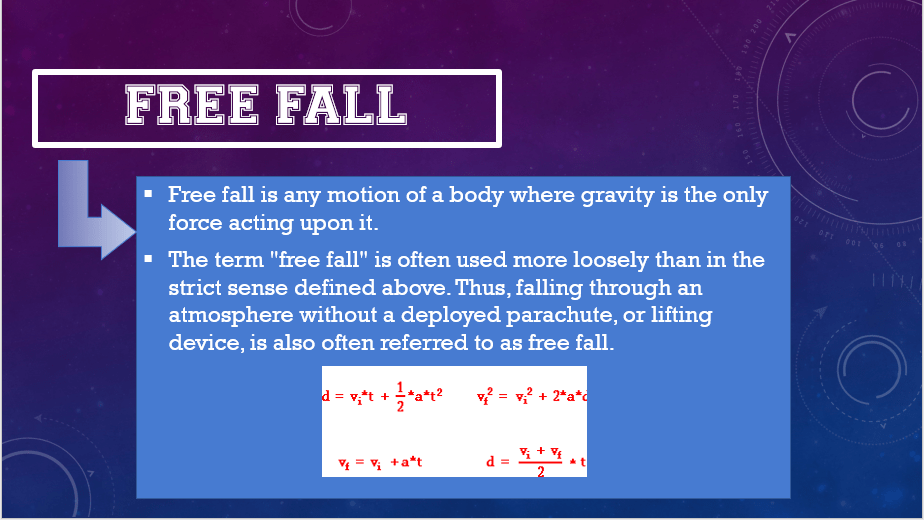

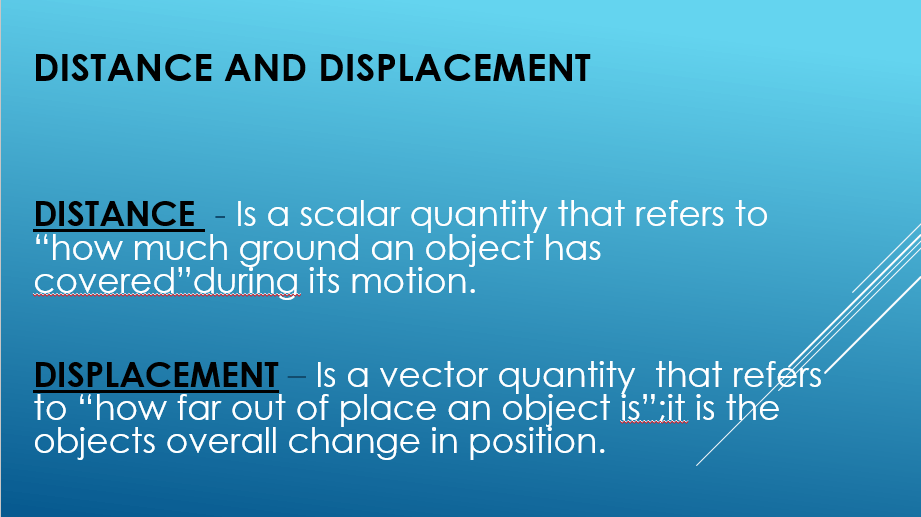
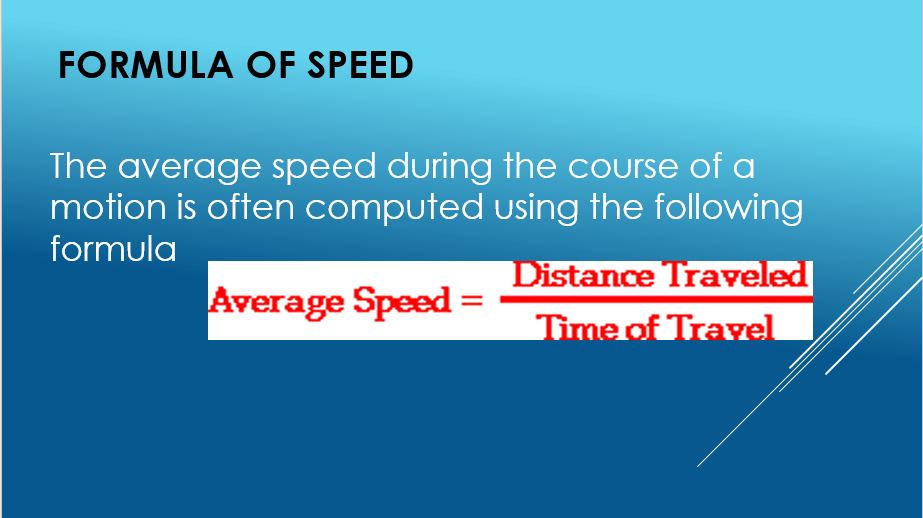
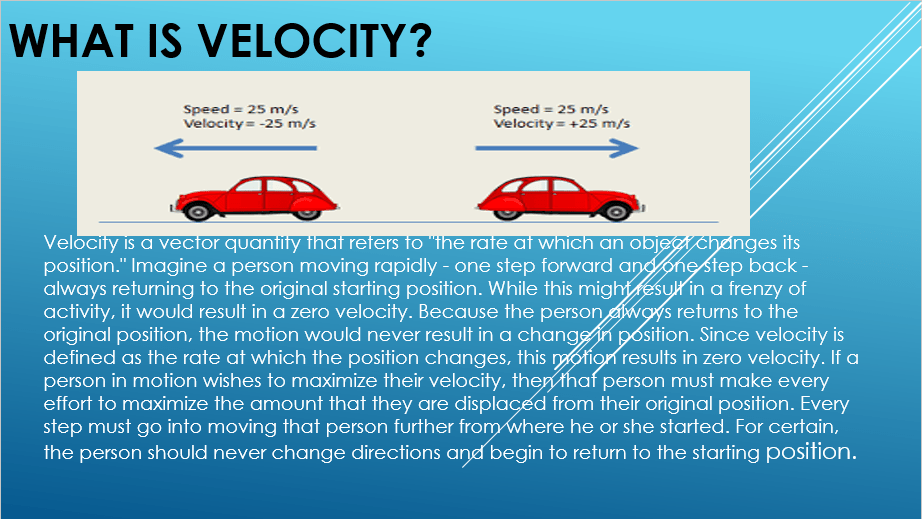
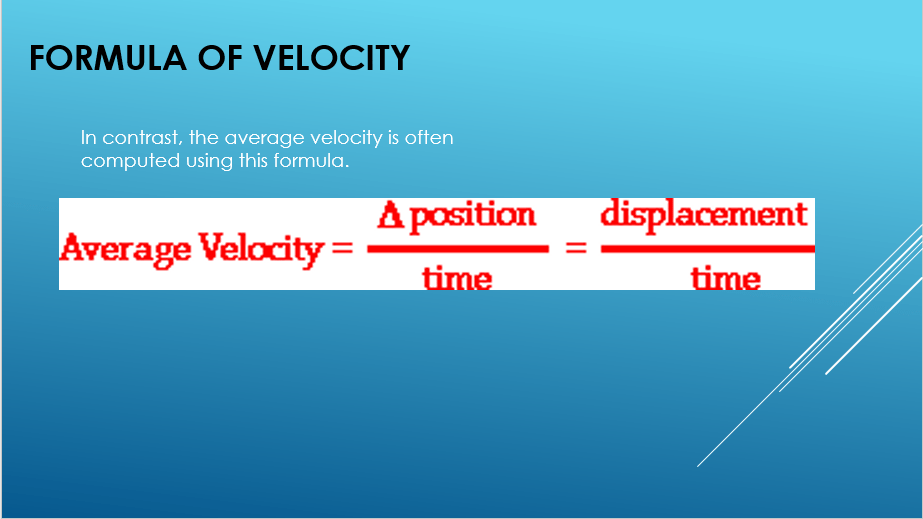
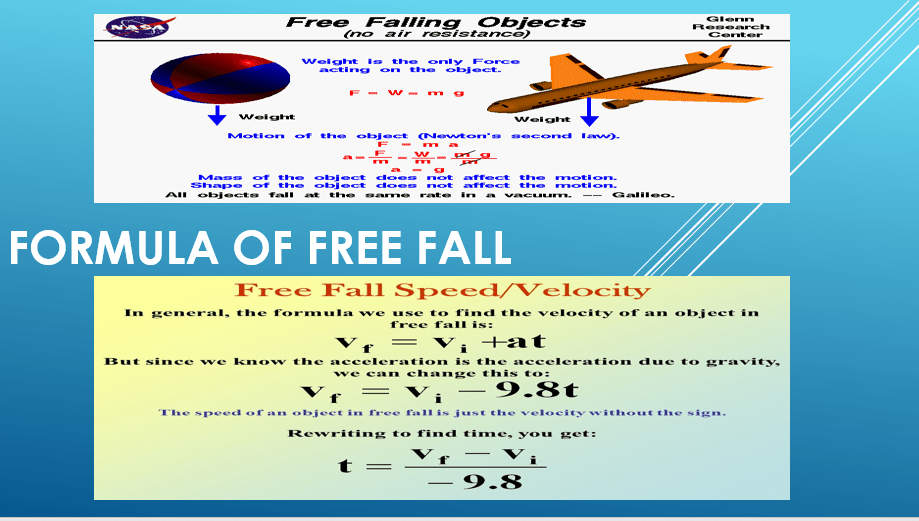
If you want to explore more about 1D KINEMATICS below is my whole powerpoint presentation that includes videos about this topic.
THE CELL
CELL
All living organisms are highly organized structures and in order to achieve this level of organization we need cell which is the basic structural unit of life that will make up an organism. Cell biology is a branch of science that studies about the cell. Cell came from the Latin word “cella” which means “small room”. Cell is the basic structural, functional, and biological unit of all living organisms. Moreover cells are also known as the “building blocks of life”.
When microscope was invented the study of biological materials become more advanced. Robert Hooke, Anton Van Leeuwenhoek, Matthias Schleiden and Max Schultze are the scientists who studied about living organisms and cells. They studied about the structures found inside the cell and the cellular functions and processes within the cell. Based on the things that have been discovered, the cell theory was been formulated.
Cell theory states the following:
- All living things are composed of cells.
- Cells are the smallest functional units of living things.
- All cells come from pre-existing cells by cell division.
UNICELLULAR AND MULTICELLULAR
Some organisms like bacteria are composed of just a single cell, they are called unicellular. While organisms like plants and animals are made up of many cells and they are called multicellular. All cells carry life activities that is important for the organism to survive. In multicellular organisms its life activity was actually the combination of the activities of each individual cell.
PROKARYOTIC AND EUKARYOTIC
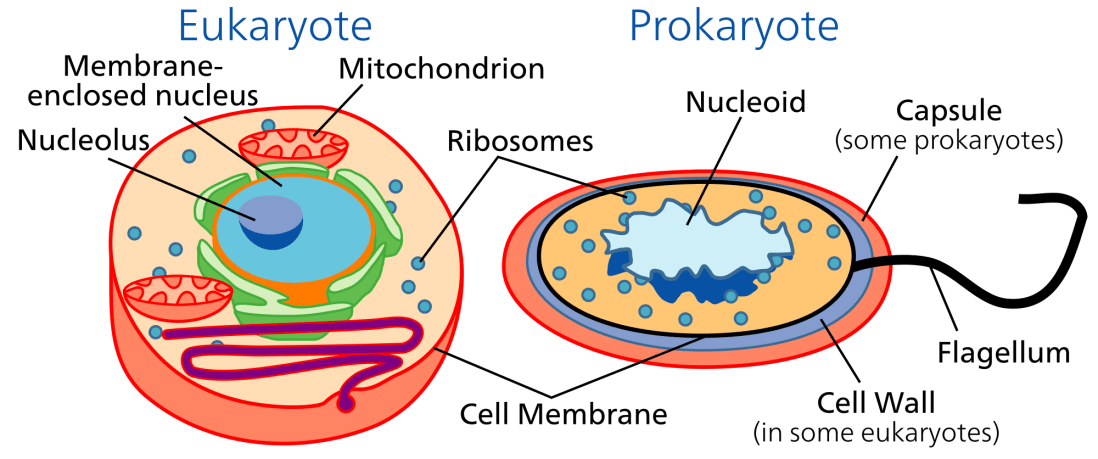
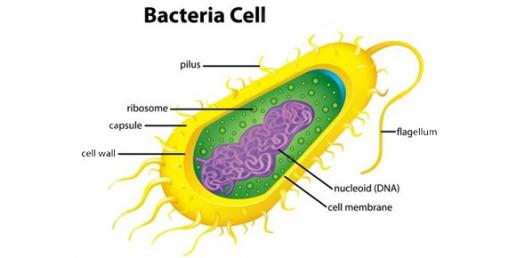
There are two basic types of cell, the prokaryotic and eukaryotic. Prokaryotic includes bacteria and archaea while eukaryotic cells include animals, plants, fungi and protist. Both cell types have similarities and also differences.
Similarities:
- Both cell types have genetical material which is DNA.
- Both cell types have cytoplasm.
- Both cell types have ribosomes.
- Both cell types have cell membrane.
Differences:
- Eukaryotic cells has nucleus while prokaryotic don’t have.
- Eukaryotic cells has membrane-bound organelles while prokaryotic don’t have.
STRUCTURE OF A CELL
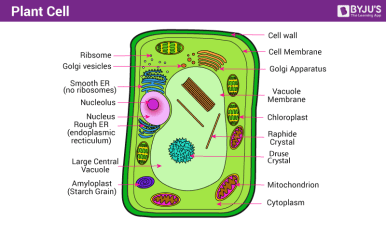
Eukaryotic cells have three main parts the cell wall (plants & bacteria), the nucleus, and cytoplasm. Cytoplasm includes specialized internal structures called organelles. Some organelles are only present in plant cell while some are present in both plant and animal cell.
Cell Wall
The cell wall is a rigid layer of polysaccharides structure lying outside the plasma membrane. This structure is found only in bacterial plant cells. It gives shape and also maintains it. It also provides protection to the cells. In plants, the cell wall is composed largely of cellulose, but it may contain other compounds in some organisms. It is found in plants, fungi, and bacteria.
Cell Membrane
The cell membrane or the plasma membrane separates the cell from its outside environment. It controls the movement of materials into and out of the cell, and maintains constant internal conditions of the cell. It surrounds the cytoplasm of a cell.
Nucleus
The nucleus is an organelle found in eukaryotic cells. It is a membrane bound structure that serves as the “brain” or control center of the cell for the cell metabolism and reproduction. It is surrounded by a nuclear envelope. Inside the nucleus we can find the DNA or Deoxyribonucleic Acid and proteins which form strands known as chromatin, which in turn make up chromosomes. The DNA in the nucleus is an organism’s genetic or hereditary material.
Cytoplasm
It is the substance within the cell that lies between the cell membrane and the nucleus. It contains organelles having special cellular metabolism functions.
Organelles in cytoplasm:
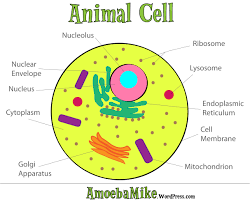
- Endoplasmic Reticulum (ER) – It is a system of fluid-filled tubules which serve as routes for the transport of materials between the cytoplasm and nucleus. If we will take a look of the endoplasmic reticulum on a electron microscope, it appears either rough or smooth. Rough ER as small particles called ribosomes that line the outer surfaces of its membranes while Smooth ER has ribosomes on its membranes
- Ribosomes – These are very small particles where protein synthesis takes place. It is found in the lining of Rough ER or throughout the cytoplasm.
- Golgi Apparatus – It is made up of stacks of flattened membrane sacs that help in storing, modifying, and packaging of materials or products that are to be secreted by the cell.
- Mitochondria – It is usually a round or slipper shaped and also known as the “powerhouse of the cell” because it is where ATP or adenosine triphosphate synthesis takes place.
- Lysosomes – These are small and saclike and serve as the “digestive system of the cell” because these contains strong digestive enzymes.
- Vacuoles – these are fluid-filled spaces enclosed by a membrane. It functions as the storage of important substances, as well as dumpling sites for cell waste. Animal cells have small vacuoles while plant cells have large vacuoles that are filled with water.
- Chloroplasts – It is only present in plant cell and other photosynthetic cells. This are double membrane-bound organelles that contain chlorophyll, a green pigment needed for photosynthesis.
ORGANIZATION OF LIVING THINGS
In multicellular animals, cells are specialized to carry out specific functions a cell or even just a part of an organism cannot do on its own. A group of cells that have the same structure and function will form a tissue. Meanwhile group of tissues that work together to perform a specific function forms an organ and a group of organs that function together make up an organ system. And combination of different systems will form an organism.
CELL CONTINUITY AND CELL CYCLE
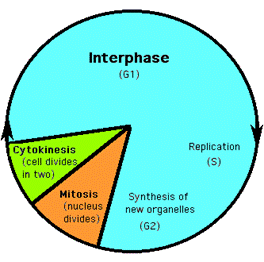
All cells are developed from pre-existing cells and this is called the cell continuity. Cell continuity enables organisms to grow, replace dead cells and to reproduce. In cell cycle, the life of a cell can be describe.
STAGES OF CELL CYCLE
INTERPHASE
In this phase the cell will grow, proteins and enzymes are made, and it increases the number of cytoplasmic organelles. Near the end of interface chromosome duplication occurs wherein the single strand chromosome becomes a double strand or double helix and each strand has an identical genes.
MITOSIS
Mitosis is the division of the nucleus wherein two daughter cells are formed. Mitosis has four stages, they are prophase, metaphase, anaphase, and telophase.
PROPHASE
In this stage the chromatin condenses forming chromosomes, Each chromosome is composed of two identical sister chromatids connected at the centromere, At this stage the nucleolus and the nuclear membrane break down and the spindle fibres form.
METAPHASE
In this stage, the chromosomes line up along the middle of the cell. Each chromosome is connected to both sides of the cell by spindle fibres attached to the centromeres.
ANAPHASE
In this stage, the spindle fibres shorten and split the pair of chromosomes at the centromeres. The 2 sets of chromosomes are pulled to the opposite sides of the cell.
TELOPHASE
In this stage, each group of chromosomes becomes a nucleus when a nuclear membrane is formed around it. The chromosomes uncoil to become chromatin and the nucleolus reforms.
CYTOKINESIS
Cytokinesis is a process wherein it has a result of two daughter cells that has identical chromatin. This process in animal cell was different in plant cell.
CYTOKINESIS IN ANIMAL CELL
Cytokinesis in animal cell occurs by a process called cleavage. A cleavage furrow appears and this furrow becomes deeper until it eventually breaks the two halves apart to form 2 daughter cells.
CYTOKINESIS IN PLANT CELL
Cytokinesis in plant cell occurs by a process wherein the sacs called vesicles form around the center of the cell. These sacs contain cellulose which will form a cell plate. Two new cell walls develop along the middle lamella. The cells then break apart and will form two daughter cells.
THE CELL
CELL
All living organisms are highly organized structures and in order to achieve this level of organization we need cell which is the basic structural unit of life that will make up an organism. Cell biology is a branch of science that studies about the cell. Cell came from the Latin word “cella” which means “small room”. Cell is the basic structural, functional, and biological unit of all living organisms. Moreover cells are also known as the “building blocks of life”.
When microscope was invented the study of biological materials become more advanced. Robert Hooke, Anton Van Leeuwenhoek, Matthias Schleiden and Max Schultze are the scientists who studied about living organisms and cells. They studied about the structures found inside the cell and the cellular functions and processes within the cell. Based on the things that have been discovered, the cell theory was been formulated.
Cell theory states the following:
- All living things are composed of cells.
- Cells are the smallest functional units of living things.
- All cells come from pre-existing cells by cell division.
UNICELLULAR AND MULTICELLULAR
Some organisms like bacteria are composed of just a single cell, they are called unicellular. While organisms like plants and animals are made up of many cells and they are called multicellular. All cells carry life activities that is important for the organism to survive. In multicellular organisms its life activity was actually the combination of the activities of each individual cell.
PROKARYOTIC AND EUKARYOTIC
There are two basic types of cell, the prokaryotic and eukaryotic. Prokaryotic includes bacteria and archaea while eukaryotic cells include animals, plants, fungi and protist. Both cell types have similarities and also differences.
Similarities:
- Both cell types have genetical material which is DNA.
- Both cell types have cytoplasm.
- Both cell types have ribosomes.
- Both cell types have cell membrane.
Differences:
- Eukaryotic cells has nucleus while prokaryotic don’t have.
- Eukaryotic cells has membrane-bound organelles while prokaryotic don’t have.
STRUCTURE OF A CELL
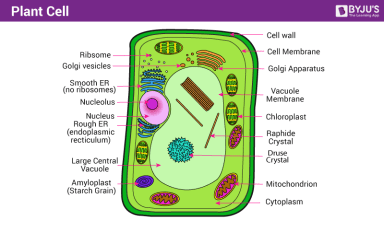
Eukaryotic cells have three main parts the cell wall (plants & bacteria), the nucleus, and cytoplasm. Cytoplasm includes specialized internal structures called organelles. Some organelles are only present in plant cell while some are present in both plant and animal cell.
Cell Wall
The cell wall is a rigid layer of polysaccharides structure lying outside the plasma membrane. This structure is found only in bacterial plant cells. It gives shape and also maintains it. It also provides protection to the cells. In plants, the cell wall is composed largely of cellulose, but it may contain other compounds in some organisms. It is found in plants, fungi, and bacteria.
Cell Membrane
The cell membrane or the plasma membrane separates the cell from its outside environment. It controls the movement of materials into and out of the cell, and maintains constant internal conditions of the cell. It surrounds the cytoplasm of a cell.
Nucleus
The nucleus is an organelle found in eukaryotic cells. It is a membrane bound structure that serves as the “brain” or control center of the cell for the cell metabolism and reproduction. It is surrounded by a nuclear envelope. Inside the nucleus we can find the DNA or Deoxyribonucleic Acid and proteins which form strands known as chromatin, which in turn make up chromosomes. The DNA in the nucleus is an organism’s genetic or hereditary material.
Cytoplasm
It is the substance within the cell that lies between the cell membrane and the nucleus. It contains organelles having special cellular metabolism functions.
Organelles in cytoplasm:
- Endoplasmic Reticulum (ER) – It is a system of fluid-filled tubules which serve as routes for the transport of materials between the cytoplasm and nucleus. If we will take a look of the endoplasmic reticulum on a electron microscope, it appears either rough or smooth. Rough ER as small particles called ribosomes that line the outer surfaces of its membranes while Smooth ER has ribosomes on its membranes
- Ribosomes – These are very small particles where protein synthesis takes place. It is found in the lining of Rough ER or throughout the cytoplasm.
- Golgi Apparatus – It is made up of stacks of flattened membrane sacs that help in storing, modifying, and packaging of materials or products that are to be secreted by the cell.
- Mitochondria – It is usually a round or slipper shaped and also known as the “powerhouse of the cell” because it is where ATP or adenosine triphosphate synthesis takes place.
- Lysosomes – These are small and saclike and serve as the “digestive system of the cell” because these contains strong digestive enzymes.
- Vacuoles – these are fluid-filled spaces enclosed by a membrane. It functions as the storage of important substances, as well as dumpling sites for cell waste. Animal cells have small vacuoles while plant cells have large vacuoles that are filled with water.
- Chloroplasts – It is only present in plant cell and other photosynthetic cells. This are double membrane-bound organelles that contain chlorophyll, a green pigment needed for photosynthesis.
ORGANIZATION OF LIVING THINGS
In multicellular animals, cells are specialized to carry out specific functions a cell or even just a part of an organism cannot do on its own. A group of cells that have the same structure and function will form a tissue. Meanwhile group of tissues that work together to perform a specific function forms an organ and a group of organs that function together make up an organ system. And combination of different systems will form an organism.
CELL CONTINUITY AND CELL CYCLE
All cells are developed from pre-existing cells and this is called the cell continuity. Cell continuity enables organisms to grow, replace dead cells and to reproduce. In cell cycle, the life of a cell can be describe.
STAGES OF CELL CYCLE
INTERPHASE
In this phase the cell will grow, proteins and enzymes are made, and it increases the number of cytoplasmic organelles. Near the end of interface chromosome duplication occurs wherein the single strand chromosome becomes a double strand or double helix and each strand has an identical genes.
MITOSIS
Mitosis is the division of the nucleus wherein two daughter cells are formed. Mitosis has four stages, they are prophase, metaphase, anaphase, and telophase.
PROPHASE
In this stage the chromatin condenses forming chromosomes, Each chromosome is composed of two identical sister chromatids connected at the centromere, At this stage the nucleolus and the nuclear membrane break down and the spindle fibres form.
METAPHASE
In this stage, the chromosomes line up along the middle of the cell. Each chromosome is connected to both sides of the cell by spindle fibres attached to the centromeres.
ANAPHASE
In this stage, the spindle fibres shorten and split the pair of chromosomes at the centromeres. The 2 sets of chromosomes are pulled to the opposite sides of the cell.
TELOPHASE
In this stage, each group of chromosomes becomes a nucleus when a nuclear membrane is formed around it. The chromosomes uncoil to become chromatin and the nucleolus reforms.
CYTOKINESIS
Cytokinesis is a process wherein it has a result of two daughter cells that has identical chromatin. This process in animal cell was different in plant cell.
CYTOKINESIS IN ANIMAL CELL
Cytokinesis in animal cell occurs by a process called cleavage. A cleavage furrow appears and this furrow becomes deeper until it eventually breaks the two halves apart to form 2 daughter cells.
CYTOKINESIS IN PLANT CELL
Cytokinesis in plant cell occurs by a process wherein the sacs called vesicles form around the center of the cell. These sacs contain cellulose which will form a cell plate. Two new cell walls develop along the middle lamella. The cells then break apart and will form two daughter cells.
The Journey Begins
Thanks for joining me!
Good company in a journey makes the way seem shorter. — Izaak Walton

 JAM's Blog